For agricultural cooperatives and mid-sized agribusinesses across Africa and Southeast Asia, the defining question of the next decade is no longer whether global demand will grow but where to position for profitable, resilient, and sustainable growth. Traditional export playbooks built on commodity volume and low-cost production are rapidly losing relevance. Today’s market winners are those who align their operational capabilities with the distinct strategic realities of emerging demand hubs.
Three markets now dominate the export agenda: China, India, and the Middle East. Each offers massive scale, yet they demand fundamentally different approaches to compliance, pricing, logistics, and buyer relationships. This article moves beyond high-level forecasts to deliver actionable market intelligence and real-world lessons from exporters who have successfully navigated these corridors. It outlines how decision-makers should evaluate, prioritize, and build a diversified export portfolio across these three critical regions.
1. The Global Demand Shift: Why Growth Is Moving South and East
The center of gravity for global agricultural trade has fundamentally shifted. For decades, European and North American markets set the pace, defining standards, pricing benchmarks, and established trade routes. That era is over. Demographic expansion, rising middle-class incomes, and rapid urbanization are redirecting consumption growth toward low- and middle-income economies. According to the OECD-FAO Agricultural Outlook, Asia, led by India and Southeast Asia, will account for ~39% of global agricultural demand growth through 2034, while Sub-Saharan Africa will contribute ~14% of additional demand. This is not a cyclical trend; it is a structural realignment of global food systems.
Yet, rising demand does not automatically translate into export opportunities. Global production is increasing, but regional imbalances are widening. Climate volatility is disrupting traditional harvest cycles, water stress is limiting yield stability, and domestic self-sufficiency policies in major consuming nations are increasingly reshaping trade flows. The result is a more fragmented, policy-sensitive, and climate-exposed trading environment.
For cooperatives and mid-sized agribusinesses, this reality carries two critical implications:
Historical export corridors are no longer guaranteed. Relying on past buyer relationships or assuming steady demand is a strategic liability.
Volume alone is no longer a competitive moat. Success will belong to exporters who treat market selection as a disciplined portfolio exercise—one that weighs regulatory readiness, pricing power, supply chain resilience, and long-term relationship value.
👉 Strategic Takeaway: Exporters must align with demand centers, not just production capacity. This requires shifting from a “grow-and-ship” mentality to a market-intelligent approach. The following sections break down how China, India, and the Middle East differ in practice, and what each market truly demands from African and Southeast Asian exporters.
2. China: Mastering Compliance for Scale and Consistency
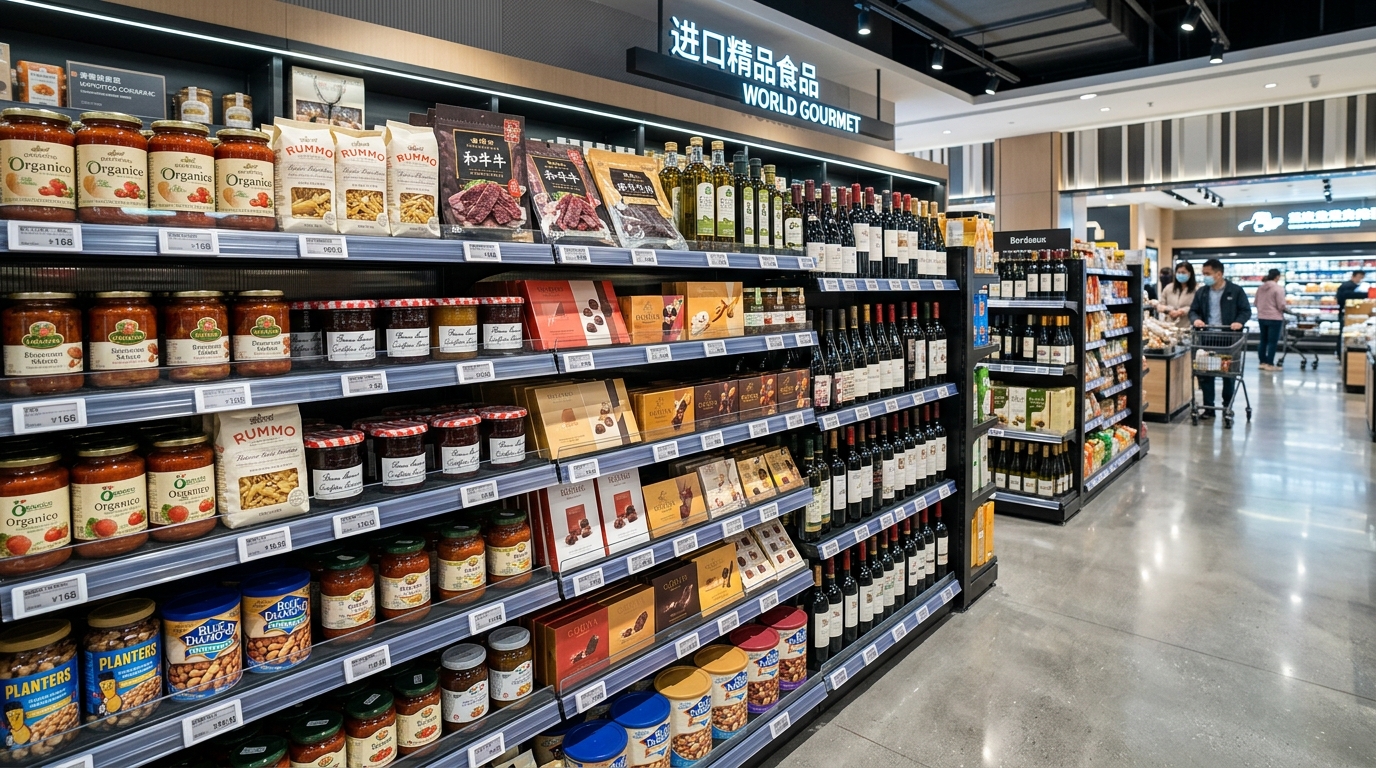
China stands as a formidable agricultural import market, offering immense scale but demanding rigorous adherence to its complex regulatory landscape. For African and Southeast Asian cooperatives and mid-sized agribusinesses, success in China is not predicated on low-cost production but on the ability to deliver consistent volume, unwavering quality, and flawless compliance. The strategic insight is that China rewards reliability above all else; it is a market where being a scale player requires institutionalized processes, not just large output. The journey begins with understanding and mastering this regulatory gauntlet, which serves as the primary filter for market access.
The most significant barrier to entry is China's stringent Sanitary and Phytosanitary (SPS) regime, managed by bodies like the General Administration of Customs of China (GACC). GACC registration is a mandatory prerequisite for exporting fresh produce, creating a formal hurdle that individual smallholders or unorganized businesses cannot surmount. This requirement alone necessitates a structured organizational form, making the cooperative model a practical necessity rather than a choice. By aggregating production, a cooperative can collectively manage the costs of registration, training, and infrastructure required to meet these standards. The challenge is not static; SPS measures are dynamic and frequently updated, posing a continuous burden on exporters. For instance, Cameroon's cocoa exports were directly impacted by changes in food policy regulations, demonstrating how quickly a stable market can become constrained by new rules. Similarly, tightened quality inspections on fruit imports from Africa have led to significant delays in customs clearance, highlighting the operational risks of non-compliance. These examples underscore that navigating China's market requires treating regulatory affairs as a core business function, not an ancillary cost.
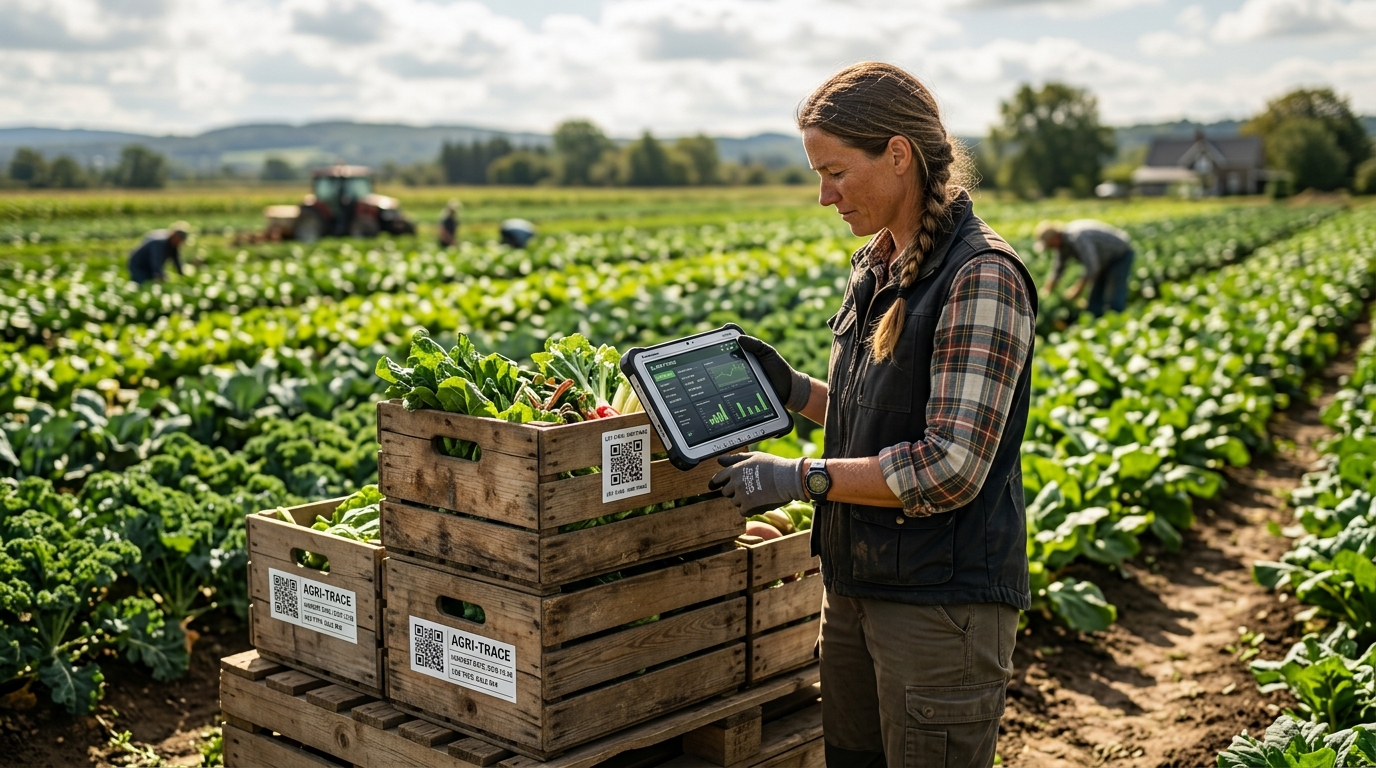
Beyond official registrations, achieving compliance involves meeting a host of other requirements related to traceability, pesticide use, and cold chain management. Studies on African exporters reveal that traceability requirements, ensuring that products can be tracked from farm to consumer, are a major constraint. This is further complicated by the need to comply with the specific Maximum Residue Levels (MRLs) for pesticides stipulated by the destination country, not just the country of origin. The development of digital traceability systems, such as those utilizing QR codes or Radio Frequency Identification (RFID) chips, is becoming an increasingly vital tool for verifying product origins and ensuring compliance with Chinese standards. Furthermore, maintaining a robust cold chain is essential for preserving the quality of perishable goods like fruits and vegetables, a factor directly linked to increased demand and distribution in markets like the Middle East, a lesson equally applicable to China's premium segment. The cumulative effect of these requirements—GACC registration, SPS standards, MRL compliance, and cold chain integrity, creates a high barrier to entry that favors organized entities capable of systemic investment and control.
Case studies from Vietnam and Ethiopia provide powerful illustrations of how cooperatives and MSAs can overcome these barriers and build successful export models. Vietnam’s transformation from a bulk rice exporter to a value-added player offers a compelling roadmap. Initially known for exporting commodity rice, Vietnam has strategically pursued a "trading up" strategy, heavily supported by government policy, to increase the value of its exports. This involved developing specific branded products, such as Jasmine rice, and focusing on brand name recognition for specialty varieties. While marketing constraints still exist, the shift towards branding and higher value demonstrates a clear path for MSAs to compete in demanding markets like China. For a cooperative in Africa, this translates into a concrete strategy: instead of selling generic coffee beans, a cooperative could focus on producing, processing, and certifying a specific, high-quality Arabica variety with unique flavor profiles, targeting niche segments within China's growing premium food market.
Ethiopia's coffee cooperatives provide another masterclass in value capture and quality control. These cooperatives act as critical aggregation points, purchasing green coffee from thousands of smallholder farmers. They then invest in post-harvest processing, including washing, drying, and grading, to ensure consistency and meet international quality standards. A key element of their success is the payment model; they often pay producers a premium price of 50% above the market rate at harvest time, which secures a reliable supply of high-quality beans and incentivizes adherence to quality protocols. This model turns a compliance-driven process into a source of competitive advantage. Furthermore, by building strong brands like Procafecol and leveraging certifications like Fair Trade, Ethiopian cooperatives command significant price premiums. When international coffee prices exceed the Fair Trade minimum, producers receive an additional fixed premium of US$0.05 per pound, providing a crucial financial buffer and reinforcing the economic benefits of quality-focused production. This approach allows them to tap into China's premium food market, where specialty coffees from regions like Yirgacheffe and Sidama already fetch high prices due to their distinct geographical origins and quality.
For African and Southeast Asian MSAs and cooperatives, the lessons from these cases are clear. First, organization is paramount. The cooperative structure provides the necessary scale and legal entity to manage complex regulatory requirements like GACC registration and to invest in collective infrastructure for quality control. Second, moving up the value chain is essential. Competing on price for bulk commodities against established players like Brazil and the U.S. is a losing battle. Instead, success lies in producing for specific, branded niches within China's diverse market, whether it be specialty rice, organic sesame, or uniquely processed coffee. Third, certification is a powerful tool. Certifications like Fair Trade and Organic signal quality and ethical production, allowing exporters to justify premium pricing and build a loyal customer base. Organic cotton farmers, for example, have received a price premium of over 30%, while certified coffee commands significant markups. Finally, investing in traceability is no longer optional. As Chinese consumers and regulators place increasing emphasis on food safety and provenance, digital traceability systems are becoming a baseline requirement for doing business. By adopting these principles, cooperatives and MSAs can transform themselves from simple commodity suppliers into trusted partners capable of thriving in China's demanding yet highly rewarding market.
Challenge | Description | Case Study Illustration |
|---|
Regulatory Barriers | Strict, non-negotiable requirements for market access, including GACC registration and evolving SPS standards. | Tightened fruit inspection policies in China delayed customs clearance for African exporters, demonstrating the direct impact of regulatory enforcement. |
Compliance Burden | High costs and complexity associated with meeting standards for pesticides (MRLs), traceability, and environmental protection. | Traceability requirements and compliance with destination-country pesticide standards are major constraints for African exporters. |
Market Competition | Dominance of large-scale exporters from countries like Brazil and the U.S., making it difficult for newcomers to compete on volume alone. | The global soybean market is dominated by major exporters, forcing smaller players to find alternative niches. |
Value Capture | Difficulty in securing higher margins without differentiating products through branding, quality, or certification. | Ethiopian coffee cooperatives pay a premium price to secure high-quality beans and build brands like Procafecol to capture more value. |
Infrastructure Needs | Requirements for advanced logistics, particularly cold chain management, to maintain product quality during transport. | Increased demand for agricultural products in the Middle East is linked to better cold chain management, a lesson applicable to China's premium market. |
3. India: Adapting to Volatility for Growth Opportunities
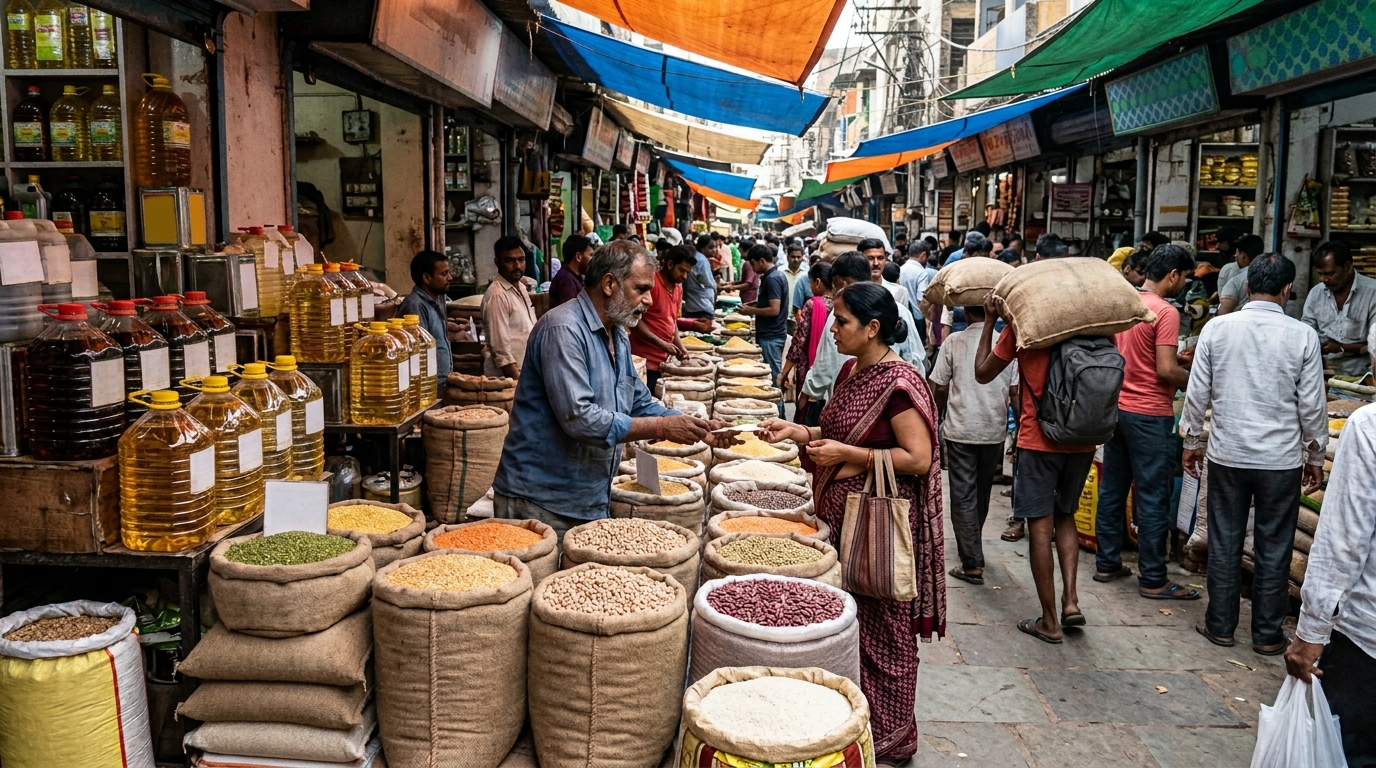
India is emerging as the fastest-growing driver of future agricultural demand, fueled by rapid population growth, rising incomes, and accelerating urbanization. For African and Southeast Asian cooperatives and MSAs, this creates a major opportunity for volume expansion. At the same time, the market remains highly volatile, largely due to frequent and often unpredictable government policy changes. For exporters, the key strategic lesson is clear: India rewards speed, flexibility, and responsiveness above all else. Success depends less on long-term stability and more on tactical agility, rapid execution, and deep local market intelligence.
The single greatest risk for exporters targeting India is its history of abrupt trade interventions. Governments have repeatedly imposed import bans, quotas, tariffs, and variable export duties on a wide range of agricultural commodities, often citing domestic self-sufficiency goals and political pressures. For example, export quotas for sunflower seed have been implemented, affecting traders' access to raw materials. Such policies can render months of planning obsolete overnight, wiping out profits and disrupting supply chains. This environment demands constant vigilance and a business model designed to pivot quickly. For an MSA or cooperative, relying on a single product or a single buyer in India is a precarious strategy. The lesson learned is that diversification is not merely a portfolio tactic but a fundamental survival mechanism. Exporters must cultivate relationships across multiple markets, including the Middle East and potentially even China, to create alternative sales channels that can be activated if Indian import policies change unexpectedly. Maintaining a flexible contract structure and opportunistic mindset is crucial for navigating these policy-driven fluctuations.
Despite the volatility, significant opportunities exist, particularly in products where India faces a domestic supply-demand gap. Key sectors include pulses, oil seeds, feed ingredients, and edible oils. While India is a major producer of some staples, its rapidly growing population creates persistent demand for protein-rich foods and vegetable oils. There is also a burgeoning market for processed and packaged foods as the urban middle class expands. The challenge for smaller exporters is to compete with India's vast domestic agricultural sector. The solution lies in targeting niche, high-value segments where they can leverage comparative advantages in quality, sustainability, or specialized production methods. For instance, a cooperative in Southeast Asia could focus on exporting certified organic black pepper or specialty vanilla, bypassing the intense competition in bulk spices. The story of Mr. Naku, a farmer in Tsangkha who successfully experimented and exported his produce to India, exemplifies the potential for individual initiative and adaptation in this dynamic market.
A powerful model for success in India comes from the case of grape growers in the Indian state of Maharashtra. This region provides an excellent example of how producer clusters can enhance competitiveness. Many small and medium-sized producers operate within a cluster, benefiting from shared resources and collaborative efforts. This vertical coordination model allows them to pool resources for investments in technology, quality control, and logistics, enabling them to meet the stringent requirements of larger buyers and export markets. This cluster approach effectively creates economies of scale, mitigating the disadvantage of operating as smaller entities. For African and Southeast Asian cooperatives, the lesson is to seek out or form similar producer clusters. By collaborating, members can achieve the scale and consistency needed to attract serious buyers and compete more effectively against large-scale domestic producers. This model helps overcome common marketing and processing constraints that inhibit the performance of individual smallholders.
Furthermore, regional integration initiatives within South and Southeast Asia offer a fertile ground for Indian market access. The India-Sri Lanka Free Trade Agreement (FTA), for example, has been analyzed for its potential to boost bilateral trade, although implementation challenges remain. More broadly, the proliferation of Regional Comprehensive Economic Partnership (RCEP) agreements in Southeast Asia has created a web of preferential trade terms that can lower costs and simplify logistics for exporters targeting India from neighboring countries. For a cooperative in Assam, India's gateway to ASEAN, developing a dedicated export marketing agency for specialty tea (STGs) was identified as a key strategy to enhance market reach beyond existing structures. This highlights the importance of not only producing but also actively marketing and promoting products within the target region. Building strong relationships with local distributors and retailers who understand the nuances of the Indian market is critical for translating opportunity into actual sales. Ultimately, succeeding in India requires a dual focus: the internal agility to adapt to policy shocks and the external collaboration to build the scale and market intelligence needed to compete effectively.
Risk Factor | Description | Mitigation Strategy & Case Study Lesson |
|---|
Policy Volatility | Frequent and unpredictable government interventions such as import bans, quotas, and tariffs, driven by domestic political and self-sufficiency concerns. | Maintain a diversified product portfolio and explore alternative markets (e.g., Middle East, China) to pivot when Indian policies shift. |
Price Sensitivity | The Indian market can be highly sensitive to price, especially for staple commodities, competing with large domestic production. | Focus on niche, high-value products (e.g., organic, specialty crops) where quality and differentiation trump price. |
Competition | Intense competition from India's massive domestic agricultural sector, which can undersell imported goods. | Leverage producer clusters to achieve economies of scale in processing, packaging, and logistics, enhancing competitiveness. |
Market Access | Navigating complex local regulations and building relationships with a fragmented retail landscape. | Develop strong partnerships with local distributors and retailers who possess market knowledge and established networks. |
Infrastructure Constraints | Inadequate infrastructure for transportation and storage can increase costs and reduce product quality. | Utilize regional trade agreements like RCEP to optimize logistics and partner with local entities that have invested in modern facilities. |
4. The Middle East: Capturing Premium Margins Through Quality and Trust
The Middle East emerges as a structurally distinct and highly attractive market for African and Southeast Asian agricultural exporters, defined not by sheer volume but by its capacity to generate high margins. Characterized by extreme dependence on food imports and strong purchasing power in key nations like the UAE, Saudi Arabia, and Qatar, the region's demand profile skews towards premium, branded, and high-value products. The strategic insight is that the Middle East is a margin market, and success is achieved by earning trust through uncompromising quality, effective branding, and cultural alignment. For cooperatives and MSAs, this means shifting the focus from being mere suppliers to becoming trusted partners and brand ambassadors in the region.
Halal certification is a cornerstone of market access and premium positioning in the Middle East. In Muslim-majority countries across the region, it is often a mandatory requirement for food products and is typically overseen by government-appointed authorities to ensure compliance with Islamic law. For exporters from non-Muslim-majority countries, it serves as both a gateway to market entry and a powerful trust signal for consumers and buyers.
The global halal food market is also expanding rapidly, supported by the broader shift toward ethical and value-driven consumption. Countries such as Indonesia and Malaysia have made Halal industry development part of their national economic diversification strategies. Indonesia’s “halal diplomacy” is a strong example of how a country can use its certification system to promote its industries globally and turn a religious standard into a strategic brand asset. Similarly, leading non-Muslim Halal exporters such as Brazil and Australia have shown that a strong Halal certification framework is essential for securing contracts and competing successfully in the Gulf region.
For any MSA or cooperative seeking to enter the Middle Eastern market, Halal certification should be viewed as a foundational investment, not an optional extra.
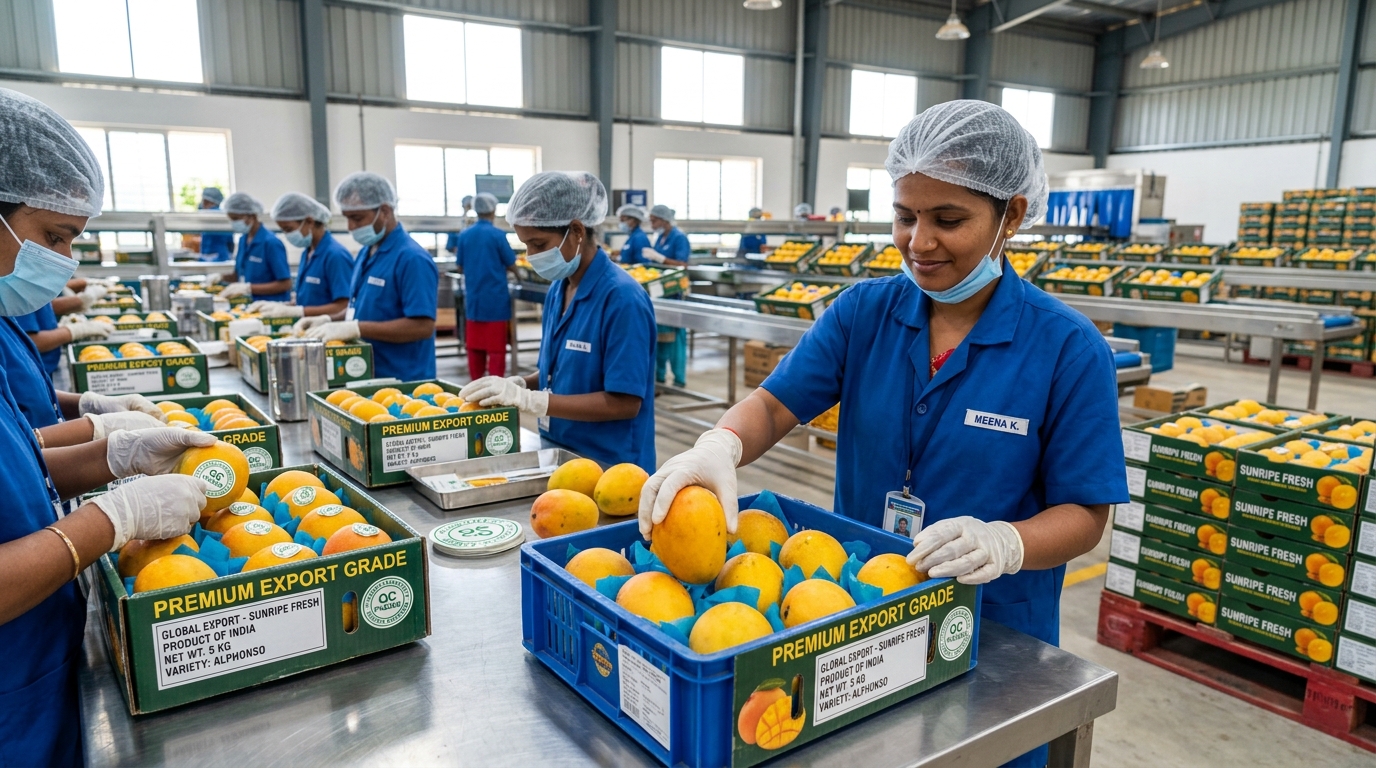
Beyond Halal certification, success depends on consistently delivering superior quality and building a compelling brand identity. Importers and supermarket groups in the Middle East often impose requirements that go beyond government standards, reflecting a sophisticated consumer base that values quality, safety, and origin. Kenya’s mango export experience is a clear example: only a small share of total production is exported, largely because key markets such as the UAE, Saudi Arabia, and Europe enforce strict SPS standards that limit the volume eligible for trade. This shows a direct link between compliance, quality, and market access.
To succeed, exporters must invest in quality control from farm to fork, with close attention to MRL compliance and overall produce health. Just as important is building a brand that communicates quality, traceability, and sustainability. Vietnam’s Van Duc Cooperative, for example, developed a strong reputation around safe rice, creating community pride while commanding premium prices. In a similar way, coffee exporters from origin-specific regions such as Yirgacheffe and Sidama have leveraged geographical identity to justify premium positioning in global markets. That same approach can be applied effectively in the Middle East.
Logistics and payment security are equally critical in the Middle East. As a major global trade hub, the region, especially centers like Dubai, sets a high bar for logistical efficiency and technological capability. For fresh produce, reliable transport and handling are essential to ensure products arrive in optimal condition. At the same time, payment terms can vary widely depending on the country and the buyer, creating credit risk for smaller exporters.
One of the most effective ways to reduce this risk is to develop long-term partnerships with established importers and distributors. Such relationships not only help secure payments but also provide valuable market intelligence and access to stronger commercial networks. Because business in the region is highly relationship-driven, these partnerships are especially important. China’s own economic diplomacy in the Middle East, which balances ties with both Saudi Arabia and Iran to safeguard energy security, illustrates the strategic value of stable, long-term relationships in this geopolitical environment.
For African and Southeast Asian cooperatives and MSAs, the most effective strategy for entering the Middle East is a multi-pronged one. First, Halal certification should be treated as a baseline requirement for market entry and clearly highlighted in all marketing communications to build trust from the outset. Second, exporters must invest in robust quality assurance and traceability systems, as meeting, and preferably exceeding, SPS standards is essential for access to premium channels. Third, they should develop a strong brand identity that emphasizes the product’s unique qualities, origin, and value proposition, transforming a commodity into a differentiated brand. Fourth, they should actively build long-term partnerships with reputable distributors and retailers in key markets such as the UAE and Saudi Arabia. These alliances can improve market access, reduce payment risk, and provide valuable feedback for product refinement. By combining mandatory certification with a relentless focus on quality, traceability, and branding, cooperatives and MSAs can position themselves to succeed in the Middle East’s premium market and capture the margins it offers.
Dimension | Description | Strategic Implication for Exporters |
|---|
Halal Certification | Mandatory for Muslim-majority countries; a key differentiator for non-Muslim exporters. | A foundational investment for market access. Prominently feature certification in marketing to build trust. |
Quality and Branding | High purchasing power drives demand for premium, branded, and high-value products. | Invest in quality control (SPS compliance) and build a brand story that highlights origin and uniqueness to command premium prices. |
Logistics | The region is a global trade hub with high standards for efficiency and reliability. | Partner with reliable logistics providers to ensure product integrity and timely delivery, which is critical for fresh produce. |
Payment Security | Varies by country and buyer, presenting a potential credit risk for smaller exporters. | Pursue long-term partnership agreements with established importers to reduce payment risk and secure stable cash flow. |
Market Access | Relationships are central to conducting business in the region. | Cultivate partnerships with local distributors and retailers who have market knowledge and established networks. |
5. Cross-Cutting Imperatives: The Critical Role of Aggregation, Certification, and Partnerships
While China, India, and the Middle East each present distinct opportunities and challenges, the long-term success of African and Southeast Asian cooperatives and mid-sized agribusinesses depends on mastering a set of cross-cutting imperatives. These are not market-specific tactics, but essential foundations for competing effectively in high-stakes export markets. They rest on three pillars: aggregation, certification, and strategic partnerships. Without them, exporters struggle to achieve the scale, credibility, and resilience needed to succeed. Together, they form the basis of a sophisticated, multi-market export strategy.
Aggregation is the most fundamental of these imperatives. For smallholder farmers and smaller MSAs, working through cooperatives or producer groups is the most effective way to overcome the limitations of scale. Large foreign buyers, especially in demanding markets such as China and the Middle East, require consistent, high-volume supply that individual farmers cannot provide. Cooperatives address this challenge by pooling production and resources into a larger, more dependable supply unit. Beyond volume, aggregation also makes it easier to enforce standardized quality control and post-harvest handling practices, both of which are critical for meeting SPS and other export requirements. It also enables shared investment in infrastructure such as processing facilities, cold storage, and packaging, which would otherwise be too costly for individual members. The example of the Githunguri Farmers Dairy Cooperative Society in Kenya shows how an aggregated structure can meet external quality expectations and evolve from a collection of small farms into a professional export-oriented enterprise. Vertical coordination models, such as contract farming, further strengthen this system. In such arrangements, the cooperative or MSA acts as a central coordinator, supplying inputs, technical support, and sometimes pre-financing in exchange for guaranteed quantities and quality standards. This model, successfully used in Vietnamese rice value chains, improves efficiency and ensures the consistency buyers demand.
The second imperative is the strategic use of certification. In today’s global marketplace, certifications are no longer merely voluntary labels; in many cases, they have become de facto requirements for market access and key drivers of value creation. Organic, fair-trade, and animal welfare certifications signal quality, ethical sourcing, and compliance with international standards, enabling exporters to differentiate their products and command price premiums. For cooperatives and MSAs, certification can transform a compliance obligation into a competitive advantage. It offers a credible way to communicate value to discerning consumers and buyers in markets such as China and the Middle East. The process, however, can be demanding and costly, requiring investment in record-keeping, auditing, and operational adjustments. Even so, the returns can be substantial, opening doors to premium niche markets and strengthening brand reputation for quality and social responsibility. The diversity of halal standards across markets presents a challenge, but also an opportunity for well-prepared exporters to stand out through strong compliance and certification systems.
The third imperative is the cultivation of strategic partnerships. No exporter can succeed in isolation. Strong partnerships are essential for reducing risk, accessing finance and technology, and gaining market intelligence. Public-private-producer partnerships are especially important for developing entire agricultural value chains. The successful transformation of sectors such as Malaysian palm oil and Vietnamese agriculture was not driven by private actors alone, but by coordinated efforts involving governments, NGOs, and private enterprises. For cooperatives, this means engaging with government agencies to access credit, participate in training programs, and support favorable policy development. It also means working with NGOs and international organizations that can provide technical assistance and funding for productivity and sustainability initiatives. At the commercial level, alliances with processors, logistics providers, distributors, and even peer organizations can be highly effective risk-mitigation tools. These partnerships support knowledge sharing, joint infrastructure investment, and coordinated advocacy for better trade conditions. The World Bank’s work on inclusive agribusiness also underscores the importance of addressing scaling barriers and power imbalances within such partnerships so that smallholders benefit meaningfully. Ultimately, the ability to build and sustain strategic partnerships determines an exporter’s capacity to innovate, adapt, and grow in an increasingly interconnected global economy.
Imperative | Core Function | Key Actions for Exporters |
|---|
Aggregation | Overcomes scale disadvantages and enables standardized quality control. | Form or join producer cooperatives/clusters; implement vertical coordination models like contract farming. |
Certification | Facilitates market access and creates a basis for premium pricing. | Pursue relevant certifications (e.g., Halal, Organic, Fair Trade); invest in traceability systems to support claims. |
Partnerships | Reduces operational risk while providing access to finance, technology, and market intelligence. | Engage in public-private-producer partnerships; form alliances for action with other value chain stakeholders. |
6. Comparative Portfolio Strategy for Agribusinesses and Cooperatives
The ultimate strategic imperative for African and Southeast Asian cooperatives and MSAs is not to choose one market over another, but to build a diversified, value-driven export portfolio that leverages the unique characteristics of China, India, and the Middle East. Each market offers a different reward profile, and sophisticated exporters should align their products, business models, and risk appetite accordingly. The winning approach is deliberate segmentation: using China for scale, India for opportunistic growth, and the Middle East for premium margins. In this way, the challenge of navigating volatile global trade becomes a more manageable exercise in strategic resource allocation and focused execution.
The table below summarizes the key strategic dimensions of each market, offering a practical framework for decision-making. It contrasts China as the scale market, India as the growth market, and the Middle East as the premium market, based on the realities faced by smaller-scale exporters.
Strategic Dimension | China | India | Middle East |
|---|
Market Type | Scale Market | Growth Market | Premium Market |
Primary Driver | Massive import demand for bulk commodities and consistency. | Rapidly expanding domestic consumption fueled by population and income growth. | High purchasing power and reliance on imports for premium goods. |
Demand Profile | Bulk commodities (soybeans, cassava), industrial feed, and premium food products. | Pulses, edible oils, processed foods, and protein sources. | Premium fruits, vegetables, Halal-certified meat, and branded products. |
Entry Barrier | Very High (regulatory hurdles, SPS standards). | Medium (policy volatility, competition). | Medium (quality standards, logistics). |
Price Sensitivity | Low-Medium (focus on consistent quality and reliability). | High (especially for staples). | Low (willingness to pay for quality and branding). |
Regulatory Risk | High (strict, evolving SPS and GACC rules). | Very High (frequent import bans, quotas, tariffs). | Medium (requires SPS and Halal compliance). |
Margin Potential | Medium (achieved through high volume and efficient operations). | Low-Medium (compressed by price sensitivity and competition). | High (earned through quality, branding, and niche positioning). |
Risk Profile | Operational/Compliance Risk | Policy/Volatility Risk | Market/Relationship Risk |
Ideal Exporter Model | Structured, compliant, and scalable (e.g., large cooperative or MSA). | Agile, flexible, and well-informed. | Quality-focused, brand-conscious, and relationship-oriented. |
This comparative framework points to a clear, actionable portfolio strategy. For China, the objective is to secure a dependable position in bulk commodity and industrial feed markets. An MSA or cooperative should prioritize products such as cassava derivatives or specific grains with strong demand in animal feed. The central priority is institutionalized compliance: investing in GACC registration, rigorous SPS and traceability systems, and long-term contracts that ensure volume and stable cash flow. The goal is not the highest margin per kilogram, but the strongest overall profitability through scale, throughput, and operational efficiency.
For India, the strategy should be one of opportunistic growth and tactical flexibility. Given the high risk of policy changes, exporters should avoid over committing to the market. Instead, they should track import policies closely and remain ready to pivot quickly. The focus should be on products facing supply deficits in India, such as certain pulses, oil seeds, or specialty spices. In this context, strong producer clusters and contract farming become essential, as they provide the scale and consistency required to compete. The business model should rely on short-term, flexible contracts that can adapt to changes in import duties, quotas, or regulatory conditions. The objective is to capture temporary windows of opportunity created by shortages or policy shifts.
For the Middle East, the strategy should center on premium positioning and margin optimization. The emphasis should be on high-value, branded products where quality, safety, and origin matter most. This includes specialty fruits such as mangoes, organic vegetables, and Halal-certified processed foods. Halal certification is a non-negotiable starting point, followed by substantial investment in branding and quality assurance. The business model should prioritize long-term partnerships with established distributors and retailers who can provide market access and help reduce payment risk. The objective is to build a loyal customer base willing to pay a premium for a trusted, high-quality product.
In conclusion, the future of agricultural exports for African and Southeast Asian cooperatives and MSAs lies not in choosing a single dominant market, but in building a sophisticated multi-market strategy. Each market rewards a different strength: China rewards scale and reliability, India rewards speed and flexibility, and the Middle East rewards quality and branding. By combining the aggregation power of cooperatives, the value-adding role of certification, and the resilience created through strategic partnerships, exporters can navigate the complexity of global trade more effectively. The way forward is to reduce risk through value-added products, diversify geographically to hedge against volatility, and pursue quality relentlessly in order to capture the full potential of these growing demand centers.
Adalidda supplies cassava starch in both food-grade and industrial-grade specifications, as well as crude and refined vegetable oils including soybean oil, sunflower oil, canola oil, corn oil and palm oil to importers and manufacturers worldwide. Built on a commitment to quality, consistency, and high-volume trade, we serve industrial buyers who value reliable sourcing, competitive supply, and seamless international logistics.
By Kosona Chriv
Bibliography
Primary Sources: Global Agricultural Outlook & Trade Data
OECD & FAO. (2025). OECD-FAO Agricultural Outlook 2025-2034. OECD Publishing, Paris.
Comprehensive ten-year projections for agricultural commodity production, consumption, trade, and prices across global regions. Essential for understanding demand growth trajectories in Asia and Africa.
FAO. (2025). Food Outlook – Biannual Report on Global Food Markets. Food and Agriculture Organization of the United Nations, Rome.
UNCTAD. (2023). Commodities and Development Report 2023: Diversification for Inclusive Growth. United Nations Conference on Trade and Development, Geneva.
World Bank. (2024). Working with Smallholders: A Handbook for Firms Working with Smallholder Farmers. International Finance Corporation, Washington, DC.
China Market: Regulatory Compliance & Scale Strategies
General Administration of Customs China (GACC). (2022). Decree No. 248: Regulations on the Registration and Administration of Overseas Manufacturers of Imported Food. Beijing.
USDA Foreign Agricultural Service. (2021). China – People's Republic of: Food and Agricultural Import Regulations and Standards (FAIRS) Report. Beijing.
Agile Regulatory. (2026). Navigating the GACC Registration Process: A Step-by-Step Guide for Food Exporters to China.
OriginTrace. (2026). How to Export to China: A Step-by-Step GACC Registration Guide.
FAO. (2022-2024). Phytosanitary Requirements for Imported Agricultural Products: China Notifications to the WTO SPS Committee.
Collection of China's official SPS notifications, including evolving standards for organic inputs, fertilizers, and plant-derived products.
India Market: Policy Volatility & Growth Opportunities
Ministry of Agriculture & Farmers Welfare, Government of India. (2025). Production and Availability of Oilseeds and Pulses in the Country: Committee Report. New Delhi.
RIS (Research and Information System for Developing Countries). (2025). From Imports to Atmanirbharta: The Future of India's Oilseeds & Pulses Sector. New Delhi.
Indian Institute of Management Ahmedabad. (2022). Production, Markets and Trade: A Detailed Analysis of Factors Affecting Pulses Production in India.
NAARM (National Academy of Agricultural Research Management). (2023). Self-Sufficiency in Edible Oilseeds in India: Policy Options and Trade Implications. Hyderabad.
The Economic Times Agriculture. (2026). Government Greenlights Record Procurement of Pulses and Oilseeds for Rabi 2025-26.
Middle East Market: Premium Positioning & Halal Certification
Saudi Standards, Metrology and Quality Organization (SASO) / Saudi Halal Center. (2025). Strengthened Halal Certification Requirements for Imported Food Products. Riyadh.
SGS United Arab Emirates. (2026). Halal Certification – Middle East: Market Access Requirements. Dubai.
Halal Foundation. (2023). Halal Certification for Export to UAE, Saudi Arabia, and GCC/MENA Countries.
Dagang Halal. (2025). Halal Food Export to the Middle East: Regulations, Logistics, and Market Opportunities.
Integrated overview of certification, labeling, distribution, and consumer preference trends across Gulf markets.
Cotecna Middle East. (2025). Exporting to the Middle East: Halal Requirements for Instant Foods and Processed Products.
Case Studies: Cooperative Success Models in Africa & Southeast Asia
Ethiopian Coffee Farmers Cooperatives Union (YCFCU). (2023). Value Chain Analysis of Coffee in Gedeo Zone, Ethiopia. Yirgacheffe.
ACDI/VOCA / Partnerships for Forests. (2025). Transforming the Coffee Value Chain in East Africa: Cooperative-Led Market Access.
Vietnam Ministry of Industry and Trade. (2022-2024). Strategy on Rice Export Market Development Until 2030. Hanoi.
Vietnam Plus. (2023). Building Brand to Increase Value, Boost Exports of Vietnamese Rice.
OrganoRice Project. (2022). Analysis Report on the Vietnamese Rice Value Chain.
SNV Netherlands Development Organisation. (2021). Potential for Kenya to Export Fresh & Dried Mango to Europe and the Middle East. Nairobi.
FreshPlaza. (2025). Kenya Boosts Mango Exports with Fruit Fly Control and Phytosanitary Compliance.
Cross-Cutting Themes: Certification, Aggregation & Partnerships
Fairtrade International. (2017). The Impact of Fairtrade: A Review of Research Evidence 2009-2015. Bonn.
World Bank IEG. (2024). Toward Productive, Inclusive, and Sustainable Farms and Agribusiness Firms: Chapter 3 – Effectiveness of Activities.
FAO. (2018). Cooperatives Can Bolster Inclusive Growth in Africa. Rome.
UNCTAD. (2022). African Countries Should Rethink Export Diversification to Survive Economic Shocks. Geneva.
GIZ (Deutsche Gesellschaft für Internationale Zusammenarbeit). (2026). Promotion of Sustainable Agricultural Value Chains in ASEAN: AgriTrade II Factsheet.
ADB (Asian Development Bank). (2022). Agricultural Value Chain Development in Selected Asian Countries: Analysis of Fruit and Vegetable Value Chains in Indonesia. Manila.
Supplementary References: SPS Standards, Traceability & Climate Resilience
WTO SPS Committee. (2021-2024). Notifications of Sanitary and Phytosanitary Measures: China, India, GCC Countries. Geneva.
FAO & WMO. (2026). State of Climate Services: Food Security and Agriculture. Geneva.
CUTS International. (2020). SPS Standards and Developing Countries: Operationalizing Special and Differential Treatment. Jaipur.
Third World Network. (2019). Briefing Paper 38: The Rapid Change in SPS Measures and Developing Country Preparedness. Penang.
The Sustainability Alliance. (2025). OECD-FAO Agricultural Outlook 2025–2034: Executive Summary.
Note on Source Currency: This bibliography prioritizes sources published or updated between 2021–2026 to reflect the most current regulatory frameworks, market data, and case evidence. Where foundational reports (e.g., OECD-FAO Outlook) are updated annually, the latest available edition (2025–2034 projection cycle) has been cited. Exporters are advised to verify regulatory requirements directly with destination-country authorities, as SPS measures, certification protocols, and import policies remain subject to frequent revision.
All URLs accessed and verified as of April 2026.